
Autoimmune hair conditions occur when the body's immune system mistakenly attacks healthy hair follicles, interrupting the normal hair growth cycle. This can result in patchy hair loss, thinning, or, in some cases, extensive hair loss affecting the scalp and other areas of the body. Early diagnosis and appropriate management are important to help preserve healthy hair and support long-term scalp health.
At Doctor's Hair & Skin Clinic, Dr. Nisha Waghmare provides comprehensive evaluation and personalized treatment plans for individuals experiencing autoimmune-related hair loss. Every patient receives a detailed scalp examination to identify the underlying condition and determine the most suitable treatment approach.
Autoimmune hair conditions develop when the immune system mistakenly targets healthy hair follicles. This may slow down or stop normal hair growth, leading to noticeable hair loss. The severity and pattern of hair loss can vary from person to person.
Although these conditions can affect people of any age, early medical evaluation can help identify the condition and guide appropriate treatment.
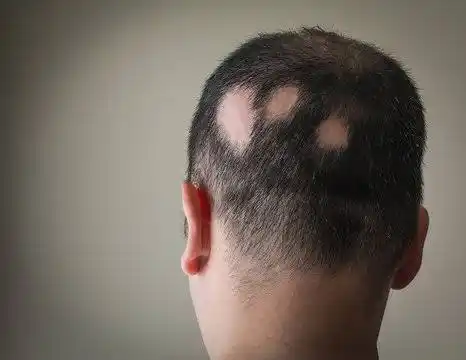
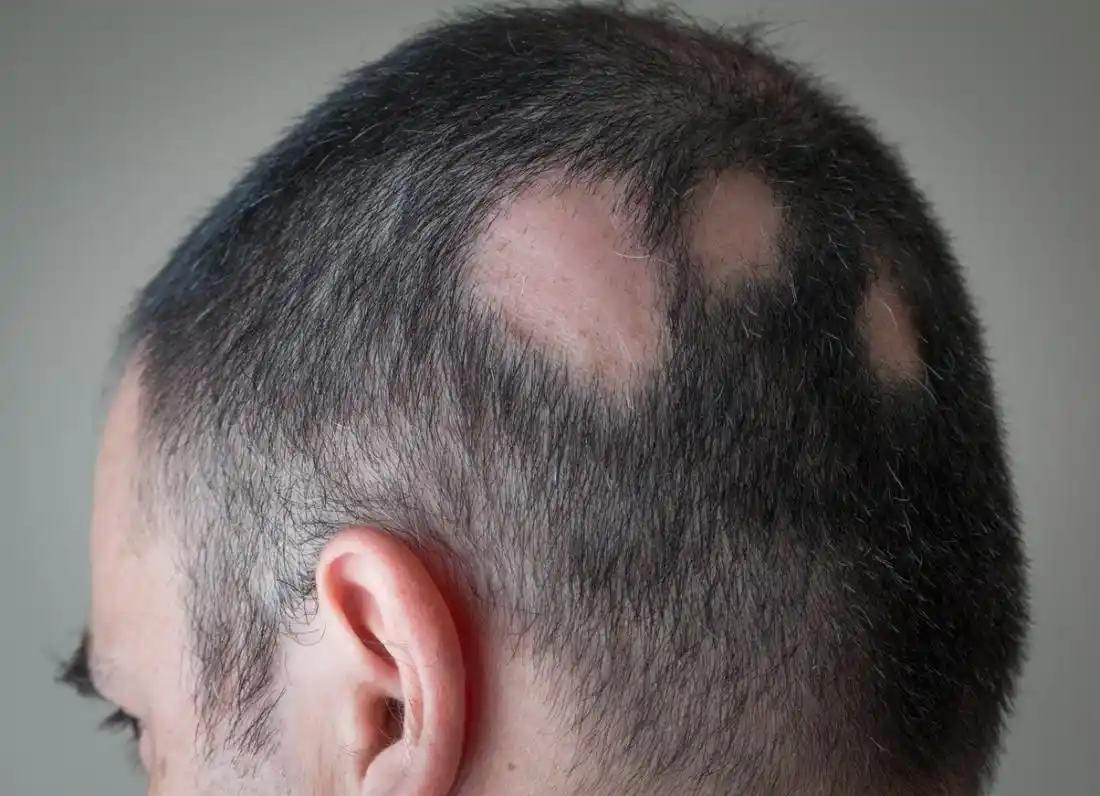
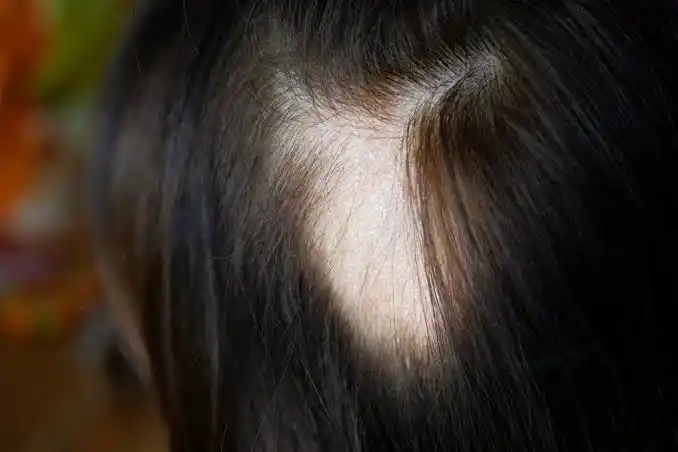
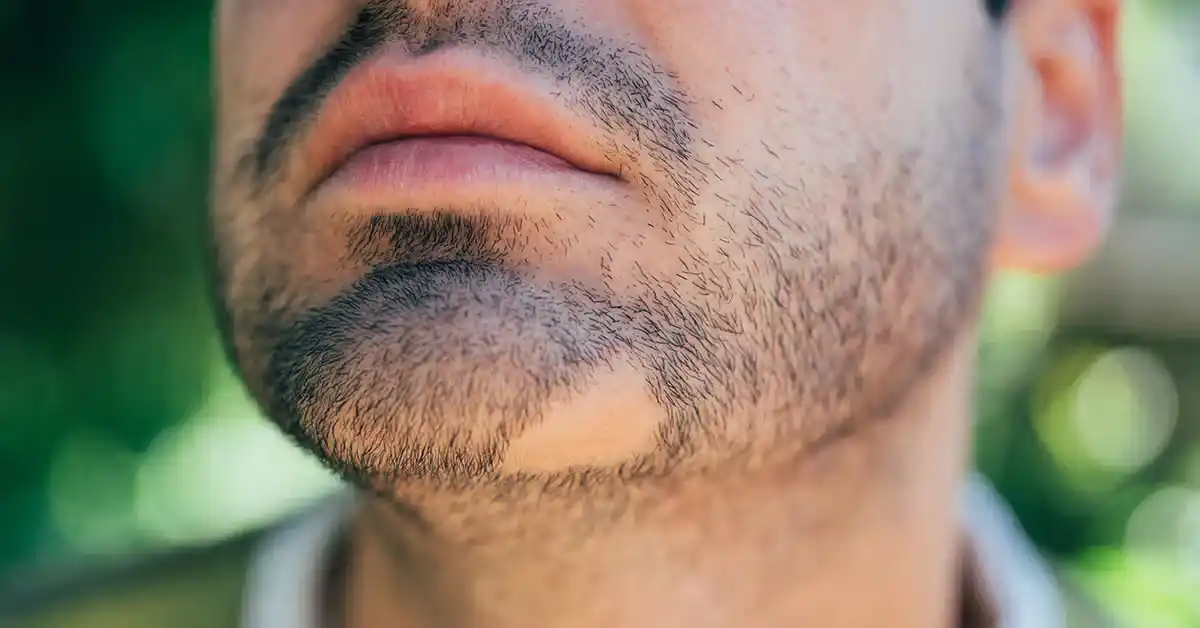
A condition that causes sudden round or oval patches of hair loss on the scalp or beard area.
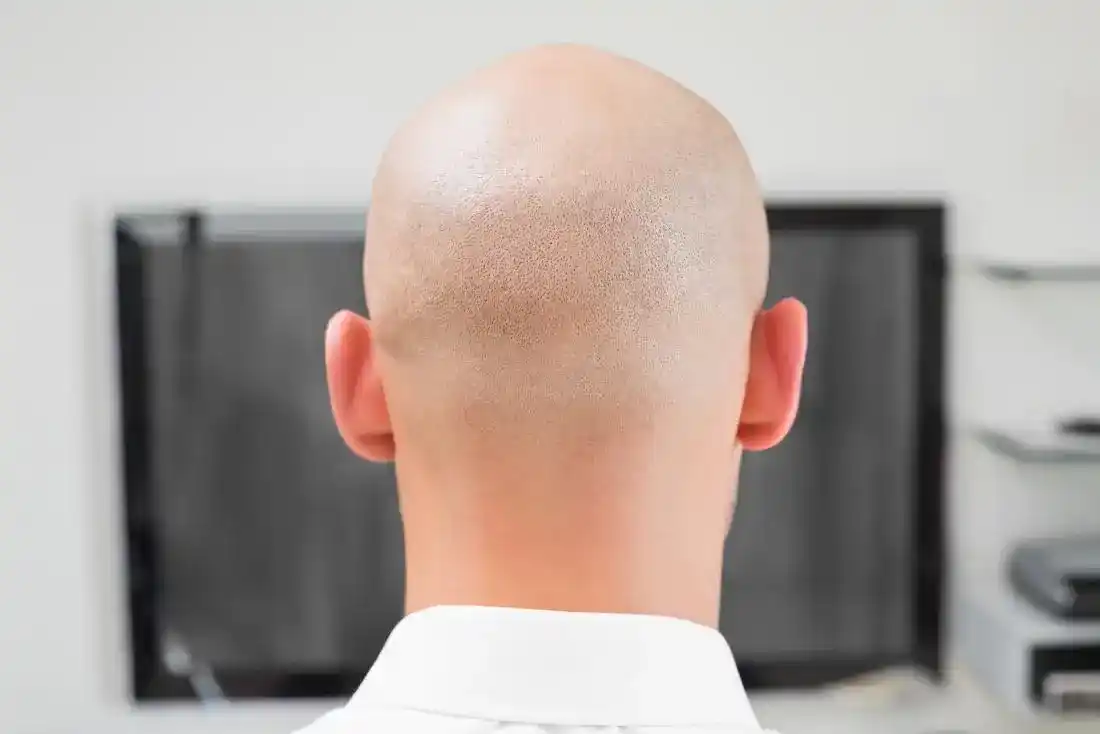
A more advanced form of alopecia that results in complete hair loss on the scalp.
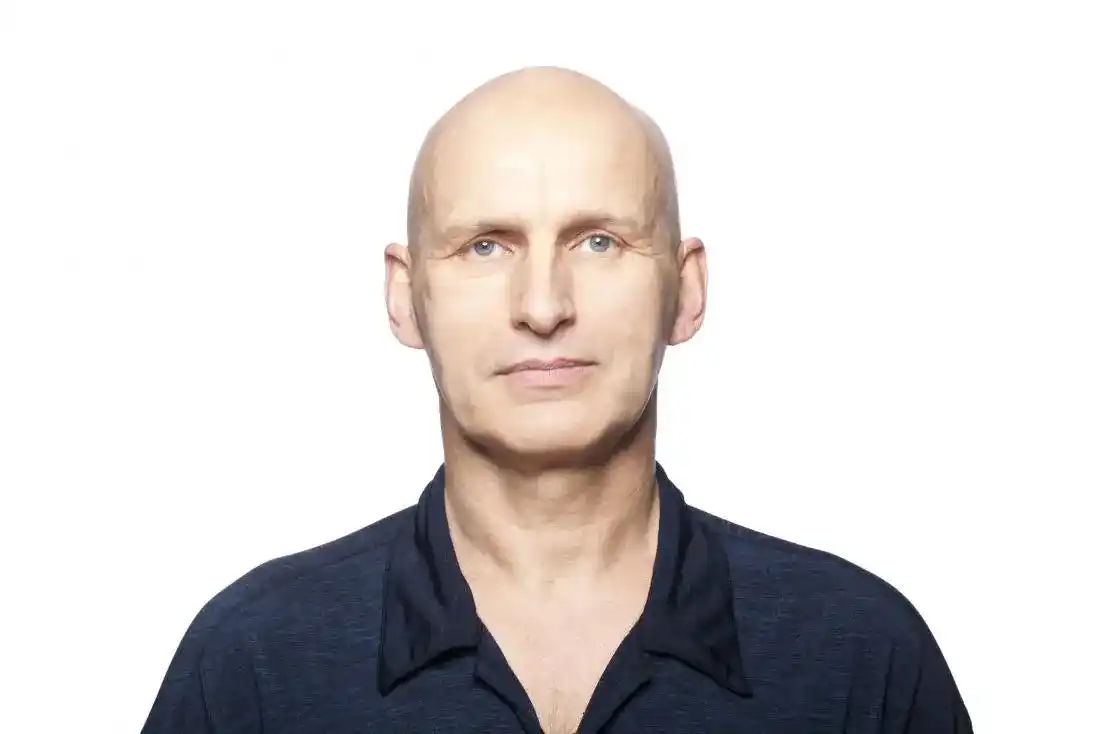
A rare condition in which hair loss affects the entire body, including eyebrows, eyelashes, and body hair.

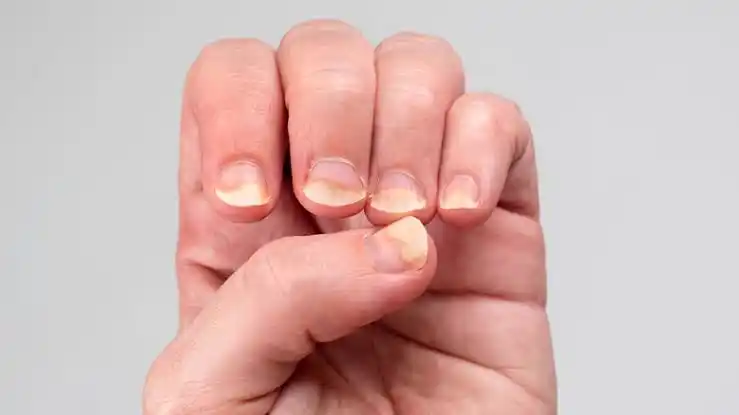
Although the exact cause is not always known, several factors may contribute, including:
Every patient undergoes a thorough assessment that may include:
Treatment is recommended based on the type and severity of the condition.
Depending on the diagnosis, options may include:
Early diagnosis may help reduce disease progression, preserve healthy hair follicles, and improve the chances of maintaining natural hair growth. Regular follow-up also helps monitor the condition and make necessary treatment adjustments over time.
Dr. Nisha Waghmare combines clinical expertise with a personalized approach to diagnosing and managing autoimmune hair conditions. Every treatment plan is designed after understanding the patient's medical history, scalp health, and individual concerns. The focus is on improving scalp health, supporting healthy hair growth, and providing long-term care tailored to each patient.
It is a condition in which the immune system mistakenly attacks healthy hair follicles, leading to hair loss.
The outcome depends on the specific condition and how early it is diagnosed. Many individuals experience hair regrowth with appropriate management.
No. Some autoimmune conditions may also affect the beard, eyebrows, eyelashes, and other body hair.
If you notice sudden patchy hair loss, increased shedding, or unexplained bald spots, it is advisable to seek professional evaluation.