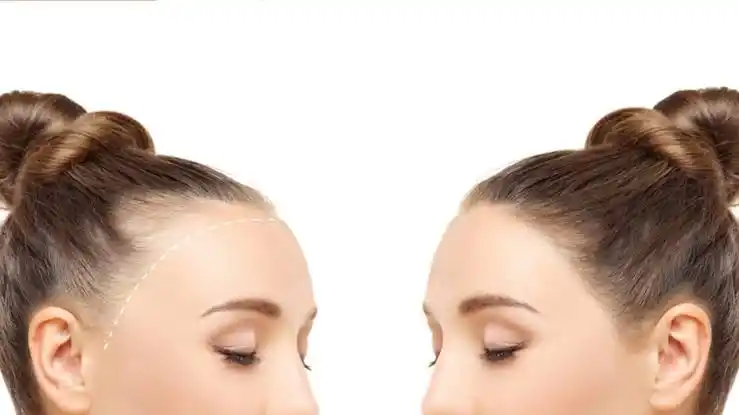
Hormones play a vital role in maintaining healthy hair growth. When hormone levels become imbalanced, the normal hair growth cycle can be disrupted, leading to excessive hair fall, thinning hair, and reduced hair density. Hormonal hair loss can affect both men and women and may develop gradually over time. Early diagnosis is important to identify the underlying cause and support long-term hair health.
At Doctor's Hair and Skin Clinic, Dr. Nisha Waghmare provides personalized evaluation and evidence-based treatment plans for individuals experiencing hair loss associated with hormonal imbalance. Every patient undergoes a detailed scalp assessment and clinical evaluation to understand the factors affecting hair growth before recommending an individualized treatment approach.
Hormonal hair loss occurs when changes in hormone levels affect the normal function of hair follicles. Hormones regulate the hair growth cycle, and even small hormonal fluctuations can influence hair density, hair quality, and the duration of the growth phase.
This condition may develop gradually and often becomes noticeable when hair volume decreases or excessive hair shedding continues for several weeks.
Recognizing these signs early can help support timely diagnosis and appropriate management.
Sensitivity to DHT (Dihydrotestosterone) is a leading cause of hereditary thinning in men and women.
Women with PCOS experience hormonal changes that contribute to increased hair fall and gradual thinning.
Both hypothyroidism and hyperthyroidism can disrupt the hair growth cycle and lead to hair loss.
Hormonal fluctuations during and after pregnancy can temporarily increase hair shedding.
Declining estrogen levels during menopause often reduce hair density and cause gradual thinning.
Certain endocrine disorders and medications influence hormone levels, affecting overall hair health.
Hair follicles continuously cycle through growth, transition, and resting phases.
When hormone levels become imbalanced:
We identify the underlying cause through comprehensive evaluation.
Treatment depends on the underlying hormonal condition and individual scalp health.
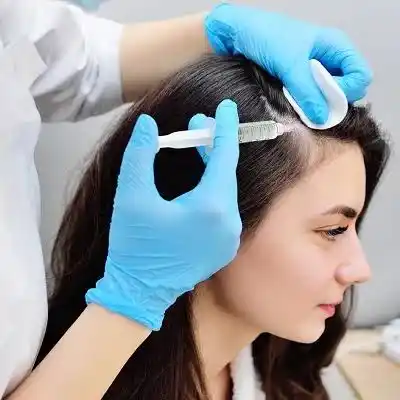 PRP Hair Therapy
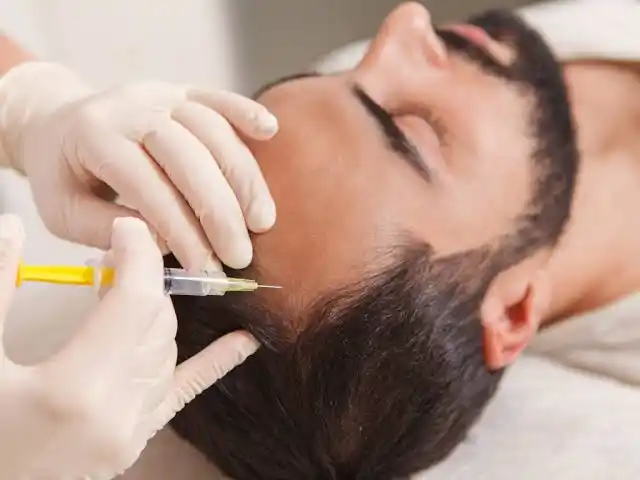 GFC Hair Therapy
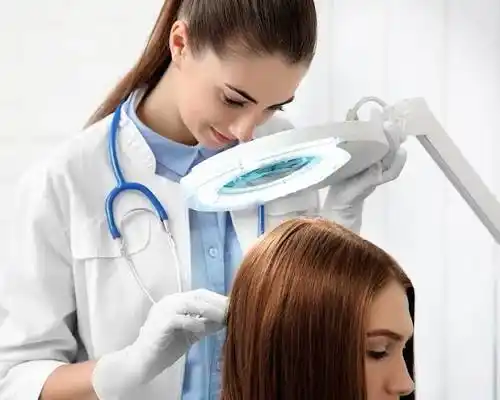 Hair Vitalizing Therapy
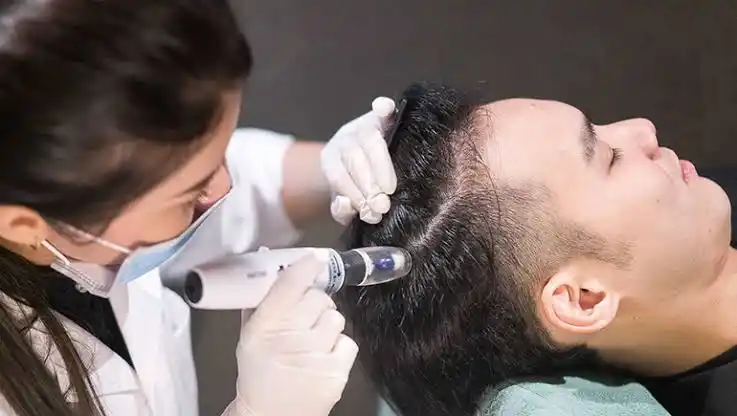 Mesotherapy
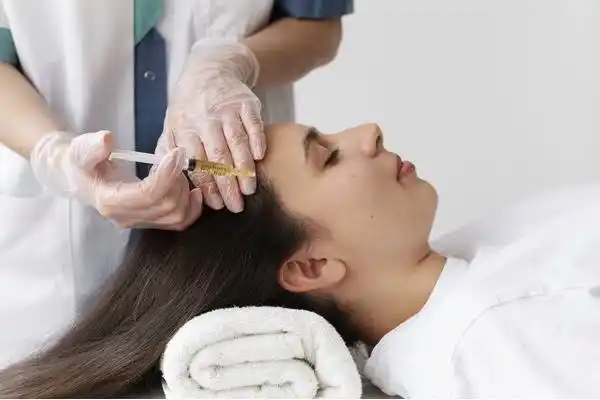 Exosome Therapy
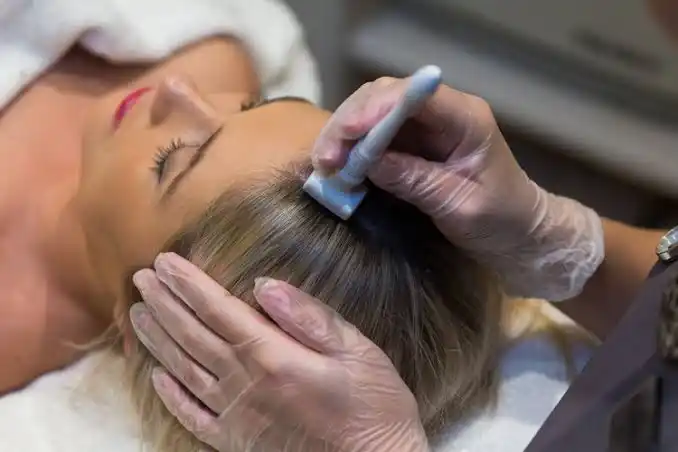 Microneedling Therapy
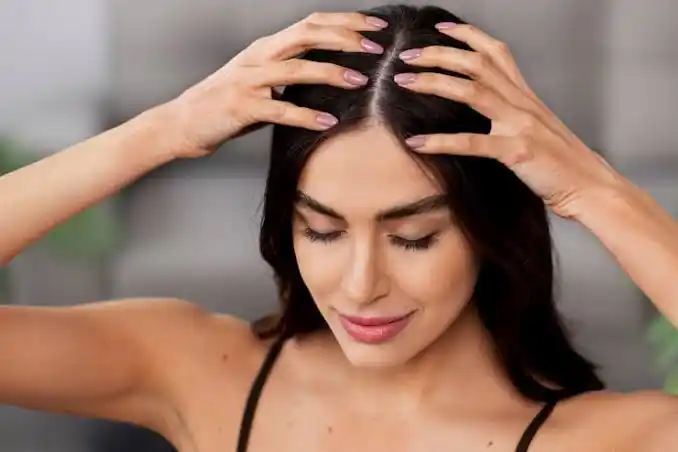 Scalp Rejuvenation
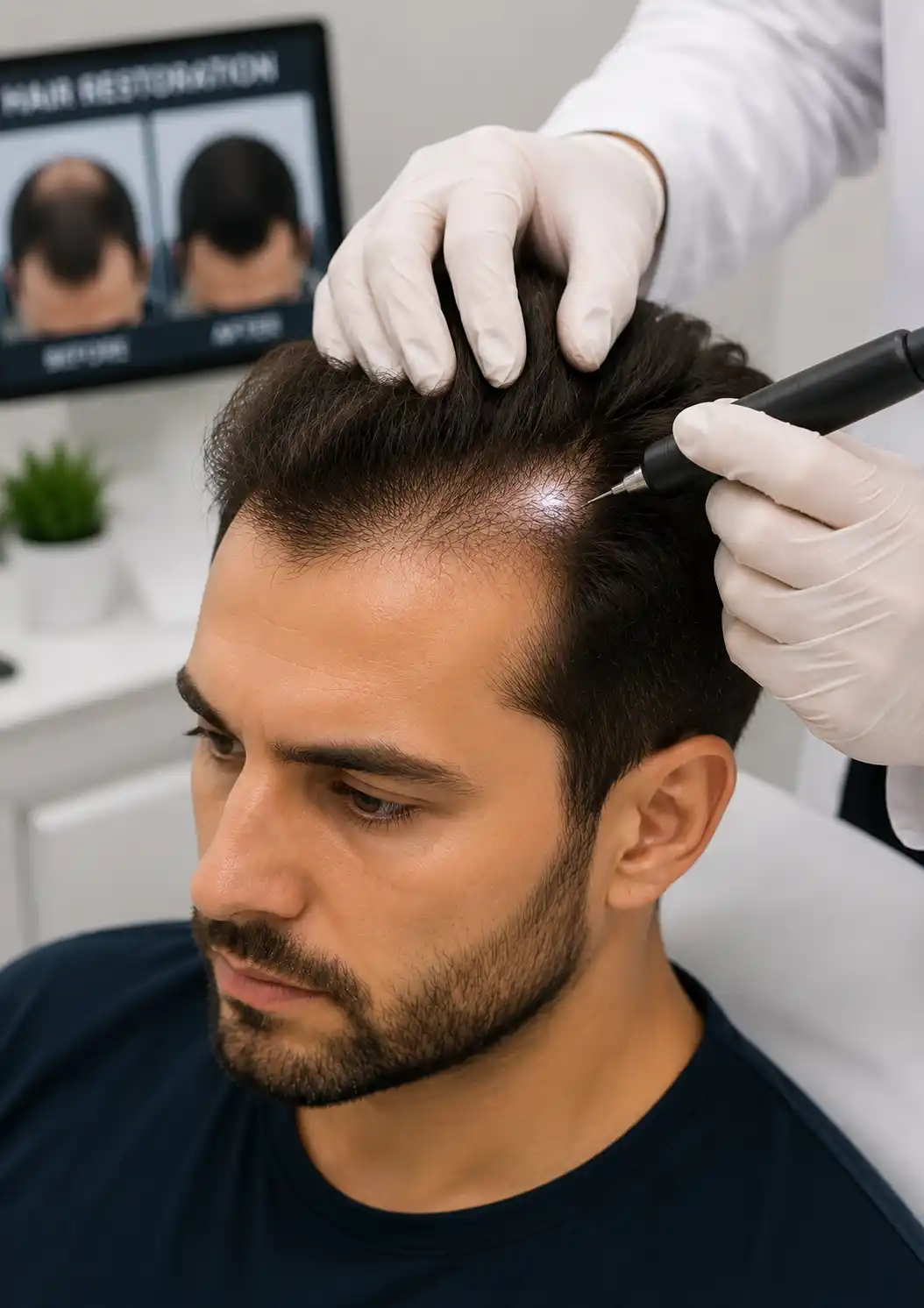 Medical Restoration
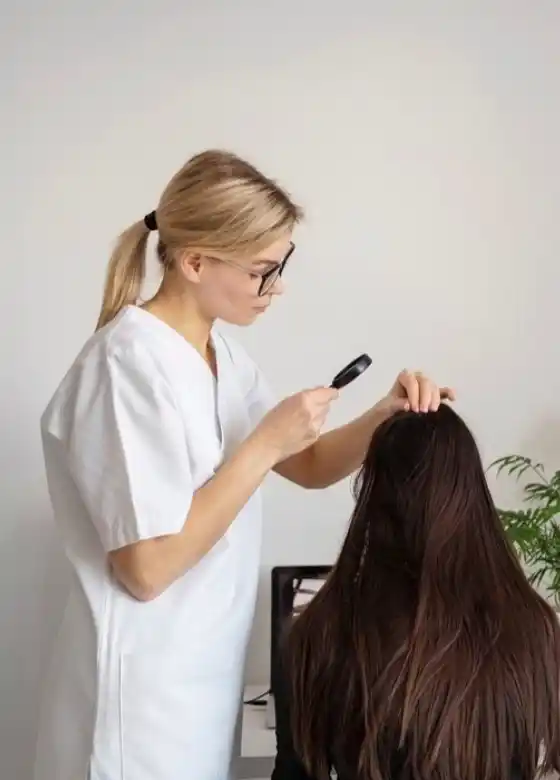 Personalized Guidance
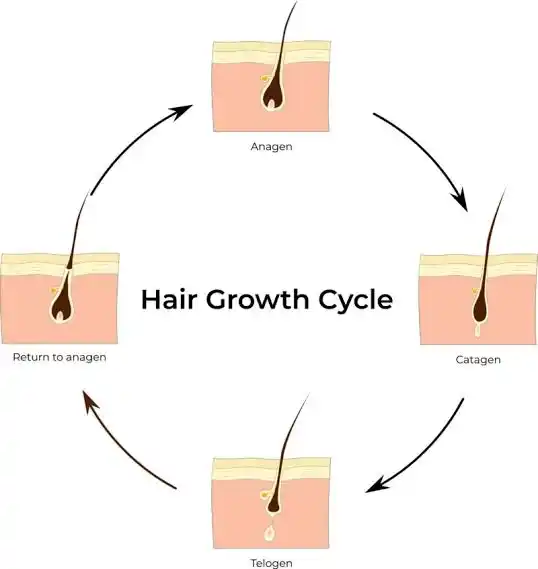 Natural Growth Cycle
Healthy daily habits complement professional care.
Hormonal hair loss often develops slowly and may go unnoticed until significant thinning occurs.
Early evaluation helps identify hormonal triggers before extensive hair loss develops, allowing for a more effective, personalized management plan.
Book Your EvaluationDr. Nisha Waghmare provides individualized care for hair loss by combining detailed clinical evaluation with modern hair restoration techniques. Every treatment plan is tailored according to the patient's scalp condition, hormonal history, lifestyle, and long-term hair goals.
Yes. Hormonal changes can affect the normal hair growth cycle and contribute to increased hair shedding and gradual thinning.
Yes. Hormonal hair loss can occur in both men and women, although the pattern and underlying causes may differ.
The outcome depends on the underlying hormonal condition. Early diagnosis and appropriate management may help improve hair density and support healthier hair growth.
If hair thinning continues for several weeks, increases gradually, or is accompanied by other hormonal symptoms, a professional assessment is recommended.