
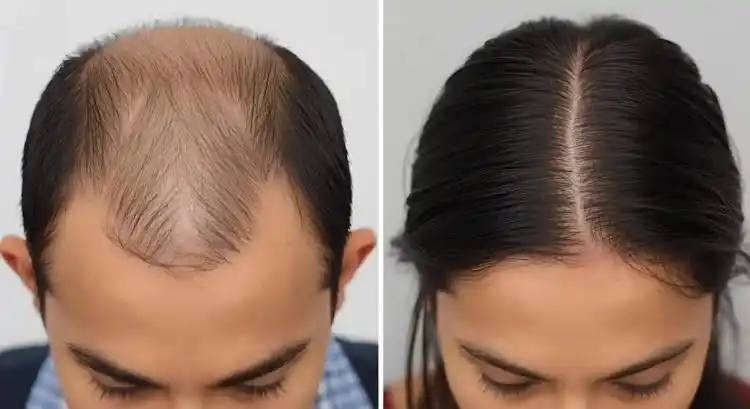
Stress affects much more than emotional well-being—it can also have a significant impact on hair health. Physical stress, emotional challenges, illness, major life events, or ongoing anxiety can disrupt the normal hair growth cycle, leading to excessive hair shedding and noticeable hair thinning. While this type of hair loss is often temporary, early evaluation and proper management can help support healthy hair recovery.
At Doctor's Hair and Skin Clinic, Dr. Nisha Waghmare provides comprehensive evaluation and personalized treatment plans for individuals experiencing stress-induced hair loss. Every patient receives a detailed scalp and hair assessment to identify contributing factors and develop an individualized approach to restore healthy hair growth.
Stress-induced hair loss occurs when physical or emotional stress causes a large number of hair follicles to enter the resting phase of the hair growth cycle earlier than normal. This condition is commonly known as Telogen Effluvium. .
Normally, hair grows in continuous cycles. During periods of stress, the balance of this cycle may be disrupted, resulting in increased hair shedding several weeks or months after the stressful event.
Unlike pattern baldness, stress-related hair loss usually affects the entire scalp rather than a single area.
Work pressure, Anxiety, Depression, Emotional trauma, Family or relationship stress
High fever, Surgery, Serious illness, Rapid weight loss, Recovery after infection
Poor sleep, Unhealthy eating habits, Excessive physical exertion, Lack of proper nutrition
Stress hormones may indirectly influence the normal hair growth cycle and contribute to increased shedding.
Hair grows through three natural stages: Anagen (Growth), Catagen (Transition), and Telogen (Resting).
During stress, follicles shift into the telogen phase prematurely, causing excessive shedding 2-3 months after the event.
We evaluate if stress is the primary factor using:
Treatment is customized according to the severity of hair shedding and individual scalp condition.
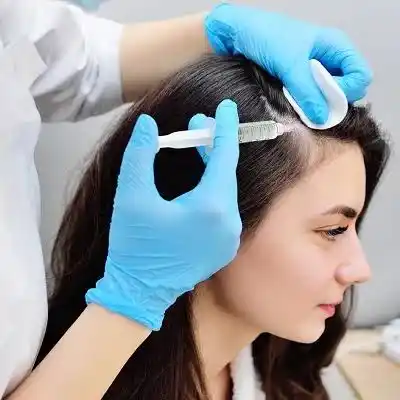 PRP Hair Therapy
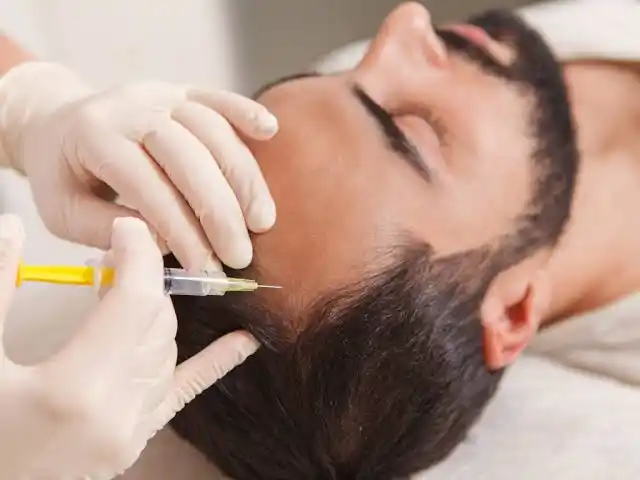 GFC Hair Therapy
 Hair Vitalizing Therapy
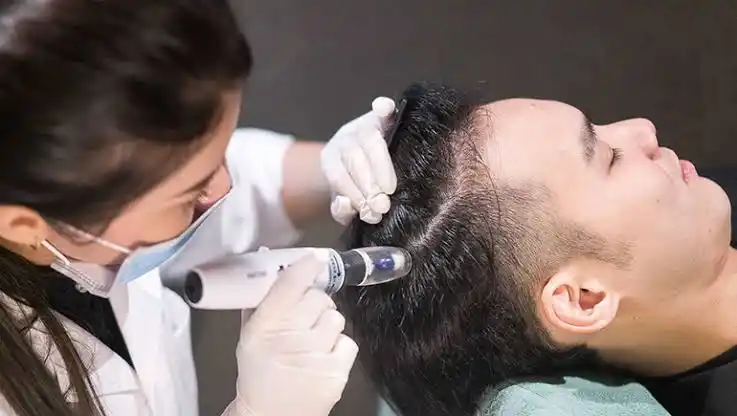 Mesotherapy
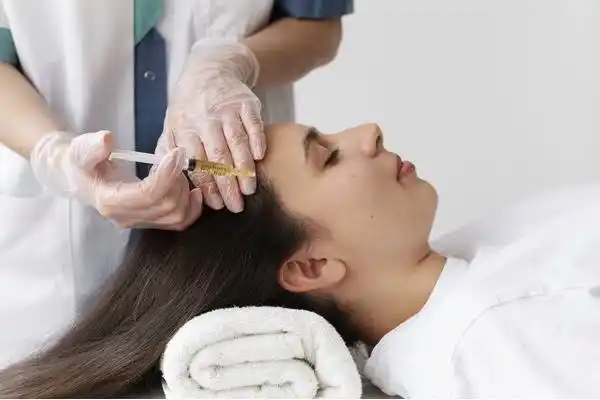 Exosome Therapy
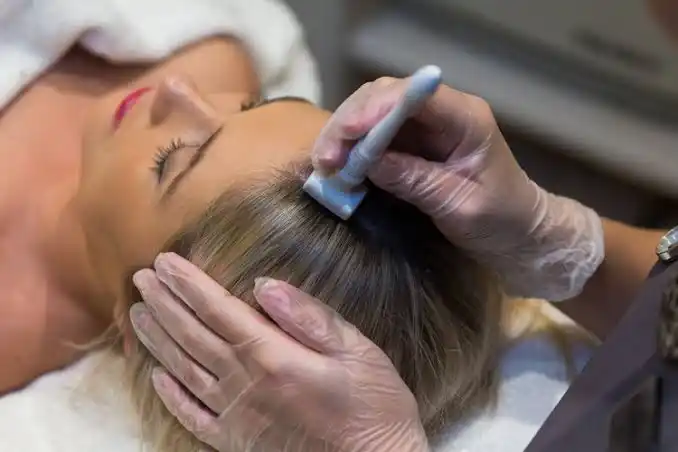 Microneedling Therapy
 Scalp Rejuvenation
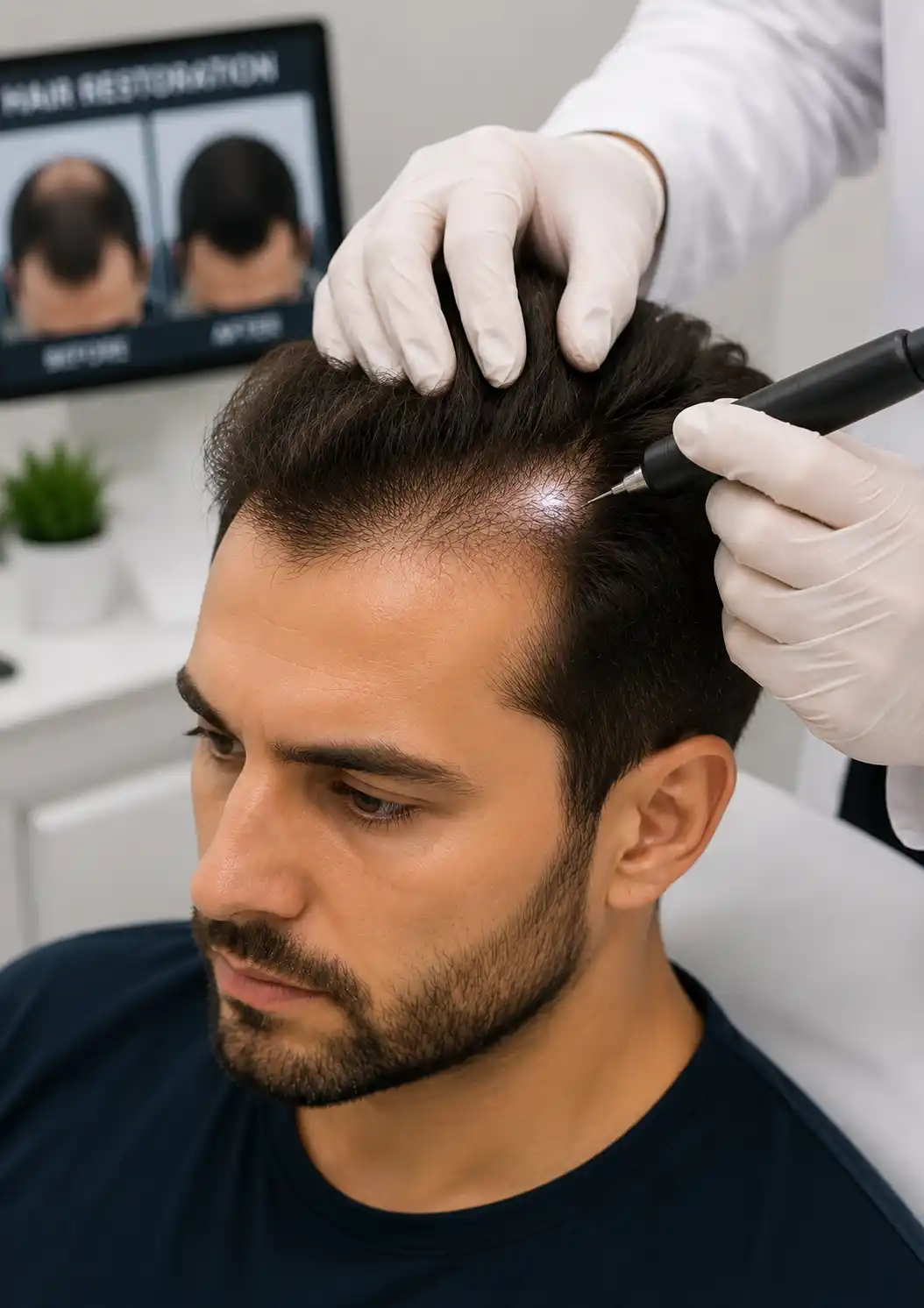 Medical Restoration
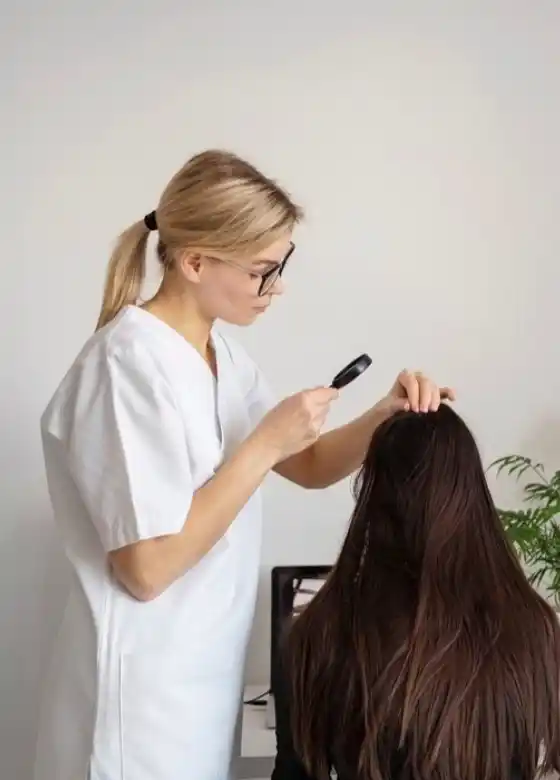 Personalized Guidance
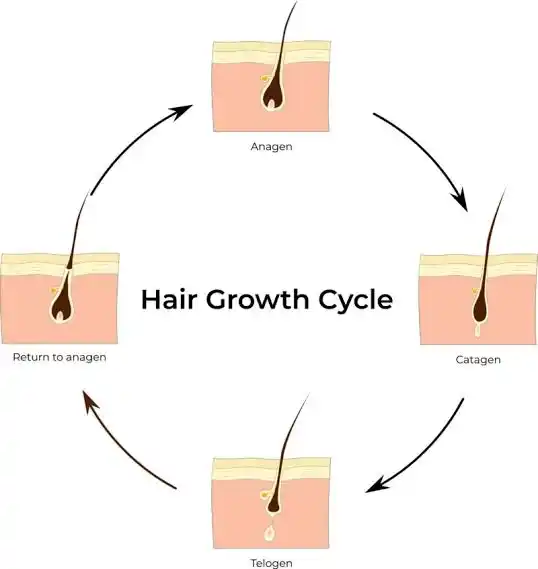 Natural Growth Cycle
Healthy daily habits can support hair recovery.
In many cases, stress-induced hair loss is temporary. Once the trigger is managed, follicles gradually return to their normal growth cycle.
Recovery time varies based on your overall health, nutrition, and scalp condition.
Dr. Nisha Waghmare offers a patient-focused approach to diagnosing and managing stress-related hair loss. Every treatment plan is personalized based on clinical findings, scalp health, medical history, and individual lifestyle factors.
Yes. Emotional or physical stress can disrupt the normal hair growth cycle and lead to temporary excessive hair shedding. .
In most cases, it is temporary and improves once the underlying cause is addressed.
Hair growth typically begins to improve within a few months, although recovery varies depending on individual health and the severity of the condition.
If hair shedding continues for several weeks, becomes excessive, or is associated with noticeable thinning, professional assessment is recommended.